
Blog
The Nikon ZR: a camera and a strategy
Normally, I wait until cameras like the Nikon ZR are available in stores. But the wave of early hate triggers me: behind the RED codec and compact design lies pure strategic gold. The mistake lies in viewing this camera from a limited perspective. But we photographers, of all people, should be masters of changing perspectives. Why is Nikon shaking up the market with this? The announcement of the Nikon ZR on 10 September 2025 was more than just the introduction of a new camera. It was a strategic statement. Because the ZR is not only Nikon's first true cinema-oriented camera – it is also part of a deeper alliance with RED Digital Cinema.

Photographic workflow
Who isn't familiar with those videos on YouTube where the speaker begins by saying, ‘Let me show you my workflow’? Then the speaker opens some image editing programme. A photographer's workflow begins long before the first picture is taken.
A professional photographer rarely just starts shooting. Behind every photo is a clear process that has been thought through from the initial idea to the final image output. This workflow not only ensures consistent results, but also saves time and energy.
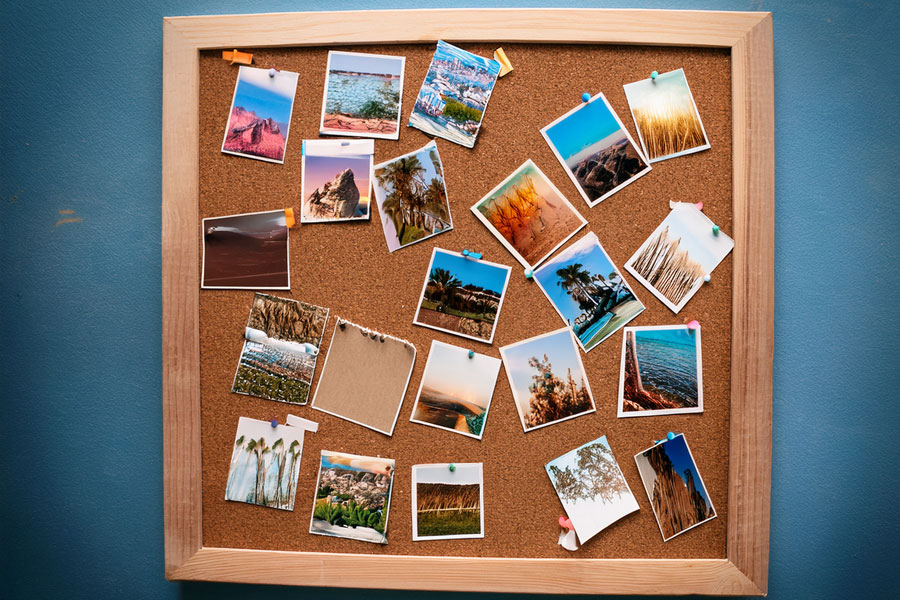
Image editing – not purely a digital invention
When digital image editing is discussed today, the focus is often on issues such as manipulation, falsification or embellishment. It is easy to overlook the fact that image editing did not first emerge with programmes such as Photoshop, but has been an integral part of the medium since the early days of photography.

Why lens hoods are indispensable in photography
In photography, there are a variety of accessories that may seem insignificant at first glance, but are actually extremely useful. A lens hood – often referred to as a lens shade – falls into this category. Many amateur photographers do without them or see them merely as a visual addition to the camera. In fact, however, the lens hood is an essential tool that improves image quality, makes handling easier and even serves as protection.

Exposure compensation with gray gradient filter compared to HDR
Introduction
We photographers often face the problem that the differences in brightness in a scene exceed the dynamic range of our camera. Especially in landscape photography, for example with sunsets or motifs with a bright sky and dark foreground, this leads to blown-out highlights or blocked-up shadows. There are two established methods for compensating for these contrasts: the graduated neutral density filter (GND filter) and HDR (high dynamic range) technology. Both approaches have their strengths and weaknesses.

Read more: Exposure compensation with gray gradient filter compared to HDR
Select your language


