
Blog
The two-triggering on cameras
One of the most common problems I encounter in my workshops is the question of why my camera's autofocus fails so often. You have the most modern camera with eye autofocus, but rarely are the eyes in focus. My answer is always the same: because the camera doesn't know when the photographer wants to press the shutter release. The camera's shutter release is actually a two-step process. The mistake lies precisely in how you release the camera.
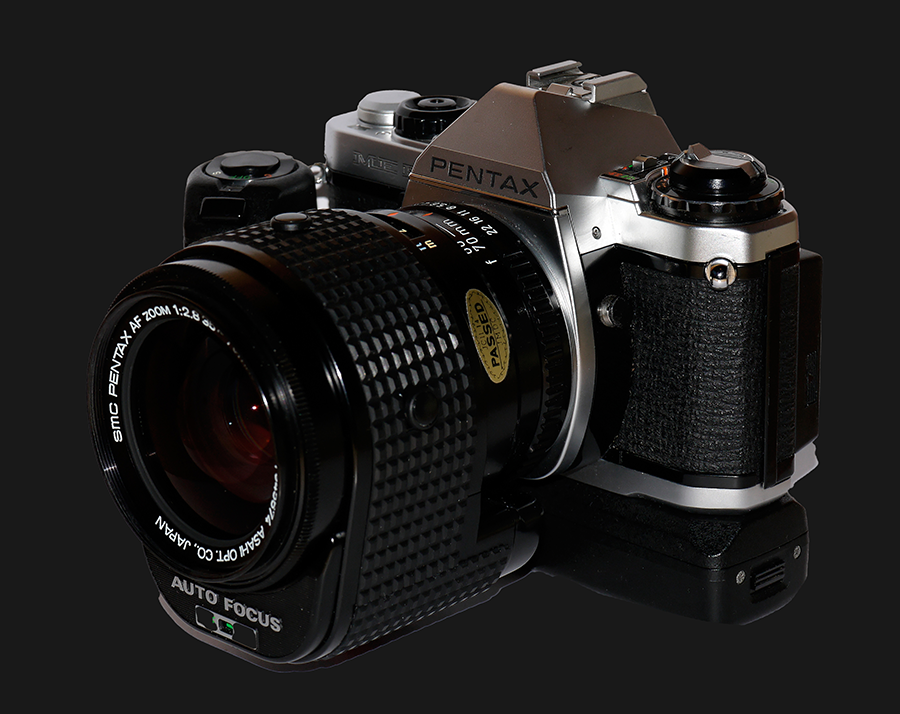
Getting started in advanced photography
Getting started in any demanding activity requires an investment. In photography, this means buying a camera and lenses. This is an area that has seen enormous developments over the last 10 years. After the most innovative companies of the 1970s disappeared from the market, development stagnated. The SLR camera was the tool of the ambitious photographer. But for several years now, all the major manufacturers have been focusing on mirrorless systems. That's why it's important to do your research before buying a camera, otherwise you'll regret many bad investments later on.

The right exposure
Good exposure is the foundation of every successful photograph. It determines whether your image appears vivid and rich in detail or flat and difficult to recognise. But what does ‘correct exposure’ actually mean?
The human eye has a fairly high dynamic range, which is related to our complex nervous system. This influences our viewing habits in such a way that we are often disappointed when we see the results of a photograph. With film, the dynamic range was quite small because it was based on the subtractive colour model, whereas digital photography now uses the additive colour model. The difference between these two colour models is quite significant: the subtractive colour model uses colour pigments, while the additive colour model uses light. When colour is added in the subtractive colour model, the colour becomes darker, while in the additive colour model, the colour becomes lighter.

Ten years with the Novoflex TrioPod – why I still love this tripod system
I have been working with the Novoflex TrioPod tripod system for over ten years now, and in that time, hardly any other piece of equipment has served me so reliably. What began as an ‘interesting modular concept’ has become a true companion for me – whether travelling, in the studio, during macro shoots or outdoors in rough terrain. With over 40 years of experience in photography, I have gone through quite a few tripods. Usually, you notice that one leg is defective and have to buy a new tripod.

Read more: Ten years with the Novoflex TrioPod – why I still love this tripod system
Filter holders for 35 mm cameras
Normal screw-in filters have the disadvantage that they only fit a specific filter thread. Although this problem can be solved with adapter rings, screw-in filters have clear weaknesses compared to plug-in systems, especially when it comes to graduated grey filters: the fixed transition boundary limits creative image composition.
Therefore, I would like to introduce two filter systems that are particularly well suited for this purpose. Many manufacturers now rely on magnetic filter holders, eliminating the need for additional adapter rings. For me personally, however, magnetic solutions are out of the question – I don't want magnets in my camera bag. That's why I'm presenting two filter holders that do not use magnets at all, but each offer different advantages.


