
One of the most common problems I encounter in my workshops is the question of why my camera's autofocus fails so often. You have the most modern camera with eye autofocus, but rarely are the eyes in focus. My answer is always the same: because the camera doesn't know when the photographer wants to press the shutter release. The camera's shutter release is actually a two-step process. The mistake lies precisely in how you release the camera.
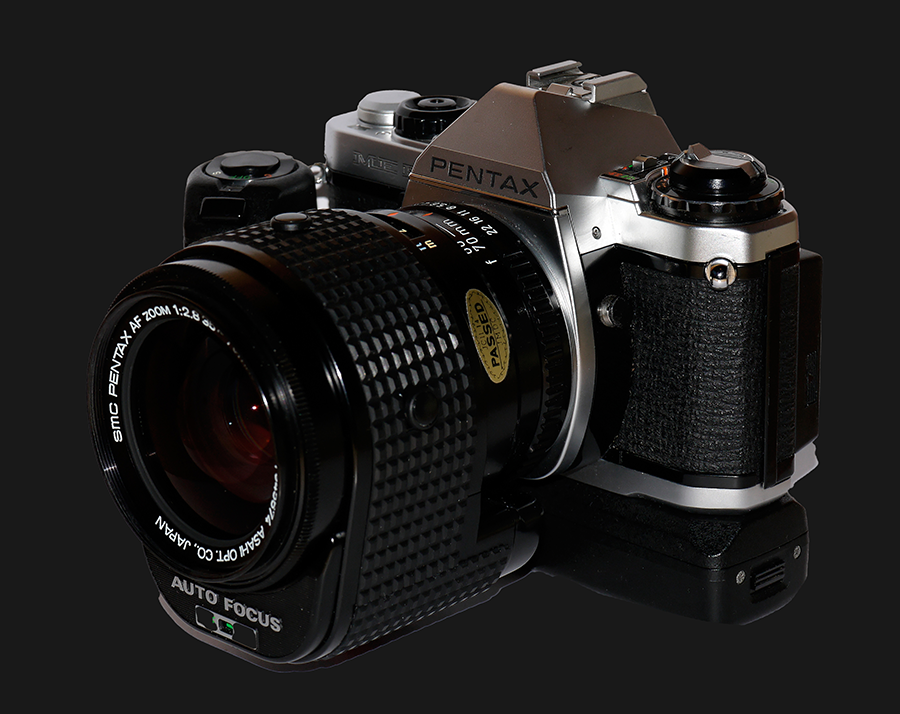
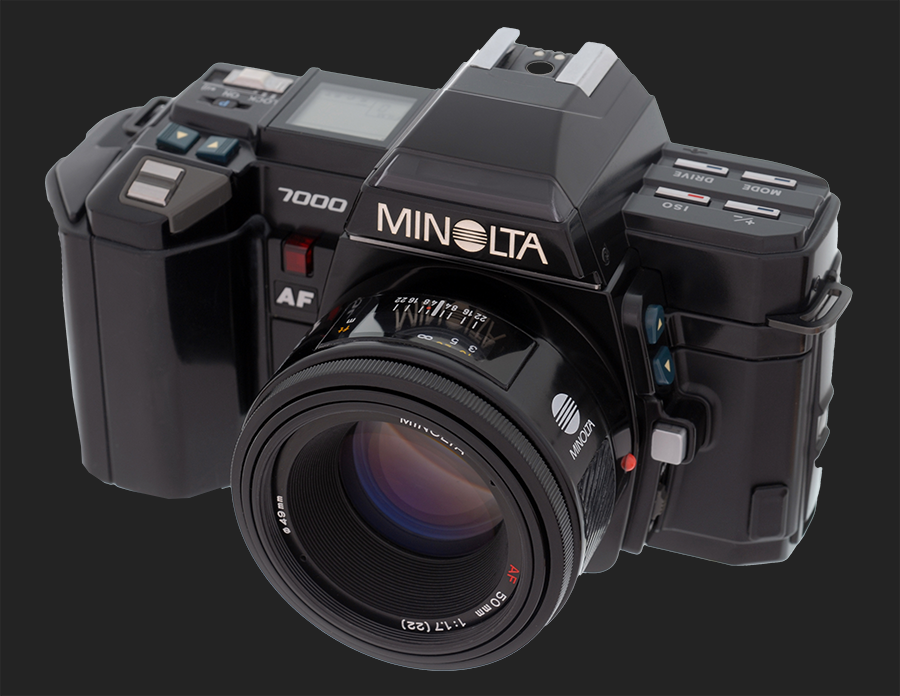
The first SLR camera with autofocus was the Pentax ME-F, which did not yet have autofocus fully integrated into the body. Previously, there had already been various automatic exposure systems. Most had aperture priority, while Konica came up with aperture priority. The Canon AE-1 was the first camera with program mode. Exposure metering was done by pressing the shutter release button halfway. The first camera with fully integrated autofocus appeared in 1985, the Minolta 7000 AF. This meant that autofocus was now also linked to this half-pressed shutter release button. What has proven itself is left as it is, which is why cameras are still operated today using this two-point shutter release.
However, this two-point shutter release is not available on smartphones, which is why some people have problems with the camera.
Many modern cameras have a shutter release with two pressure points – a detail that is more important for photography than it seems at first glance.
🔹 First pressure point – focusing and measuring
When the shutter release is pressed lightly, the camera activates its automatic functions:
- Autofocus focuses on the selected subject.
- Exposure metering determines the appropriate values for aperture, shutter speed, and ISO.
- In many cameras, exposure lock (AE-L) is also activated so that the values refer to the focused subject.
At this point, photographers can check whether the focus and exposure are correct – the camera often indicates this with a small symbol in the viewfinder/display.
🔹 Second pressure point – release
When the shutter button is pressed further, the camera actually releases and the photo is saved.
Advantages of two-point release
- Controlled focusing: Particularly helpful for moving subjects or when the main subject is not in the center of the image.
- Exposure control: Measure first, then change the image section without the values changing immediately again.
- Speed: Especially in reportage photography, it is important to be able to release the shutter immediately without having to make lengthy adjustments.
Practical tip
This way of operating the camera takes some practice. It requires a bit of concentration at first, but the longer you don't do it right, the more this mistake becomes a habit. That's why you should start as early as possible, so that it becomes second nature.
- Press halfway and hold: This keeps the focus and exposure locked while you recompose the image.
- Combine with continuous shooting: If you want to take several pictures at the decisive moment, you will benefit from the preset focus and exposure.
- Alternative: Many cameras offer “back button focus,” which assigns the focus function to a separate button—handy for those who don't like the first pressure point.


