
Copyright knows no boundaries
Creativity deserves protection worldwide
In a digitally connected world, photographs, texts, paintings, musical works and other creative works are disseminated around the globe in a matter of seconds. This makes it all the more important that copyright does not end at national borders.
Many people are unaware that copyright is protected by international agreements. The most important of these is the Berne Convention, which was adopted as early as 1886 and is now recognised by most countries in the world. It ensures that a work created in one member state generally enjoys copyright protection in all other member states as well.
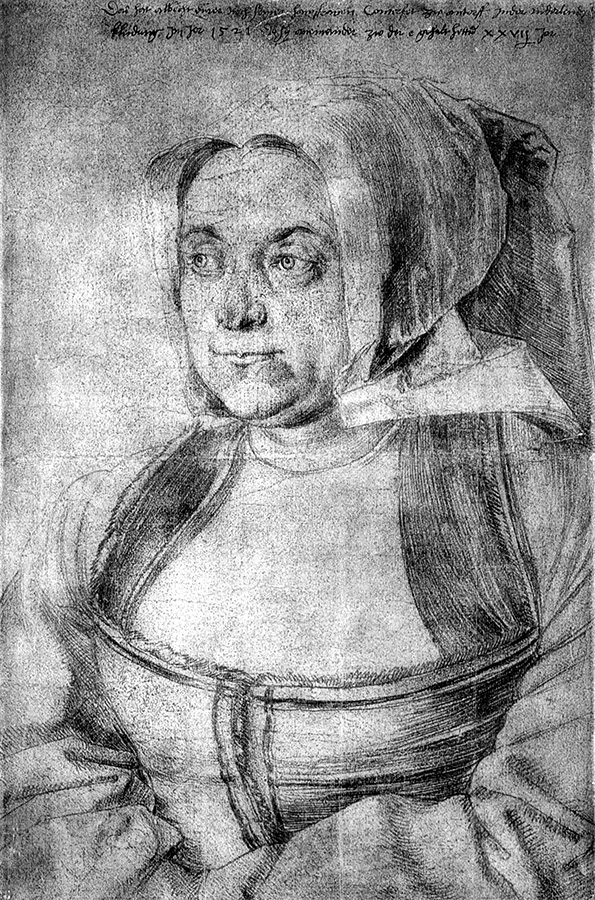
The right to one’s own image
The protection of personal rights across borders
A photograph captures a moment. It tells stories, documents history and preserves memories. Yet every image in which a person is recognisable touches not only on art or photography – but also on a fundamental personal right: the right to one’s own image.
Unlike copyright, which protects the creator of a work, the right to one’s own image protects the person depicted. It is intended to ensure that every individual can, in principle, decide for themselves whether and in what context their image is published or distributed. In this respect, the author’s right of publication is restricted in favour of the personality right of the person depicted.


